
Gerbera Daisy Care: How to Grow Gerbera Daisies in Pots and Garden Beds
Learn how to grow gerbera daisy plants and keep them blooming: light, watering, soil, feeding, pests and overwintering for pots and garden beds.
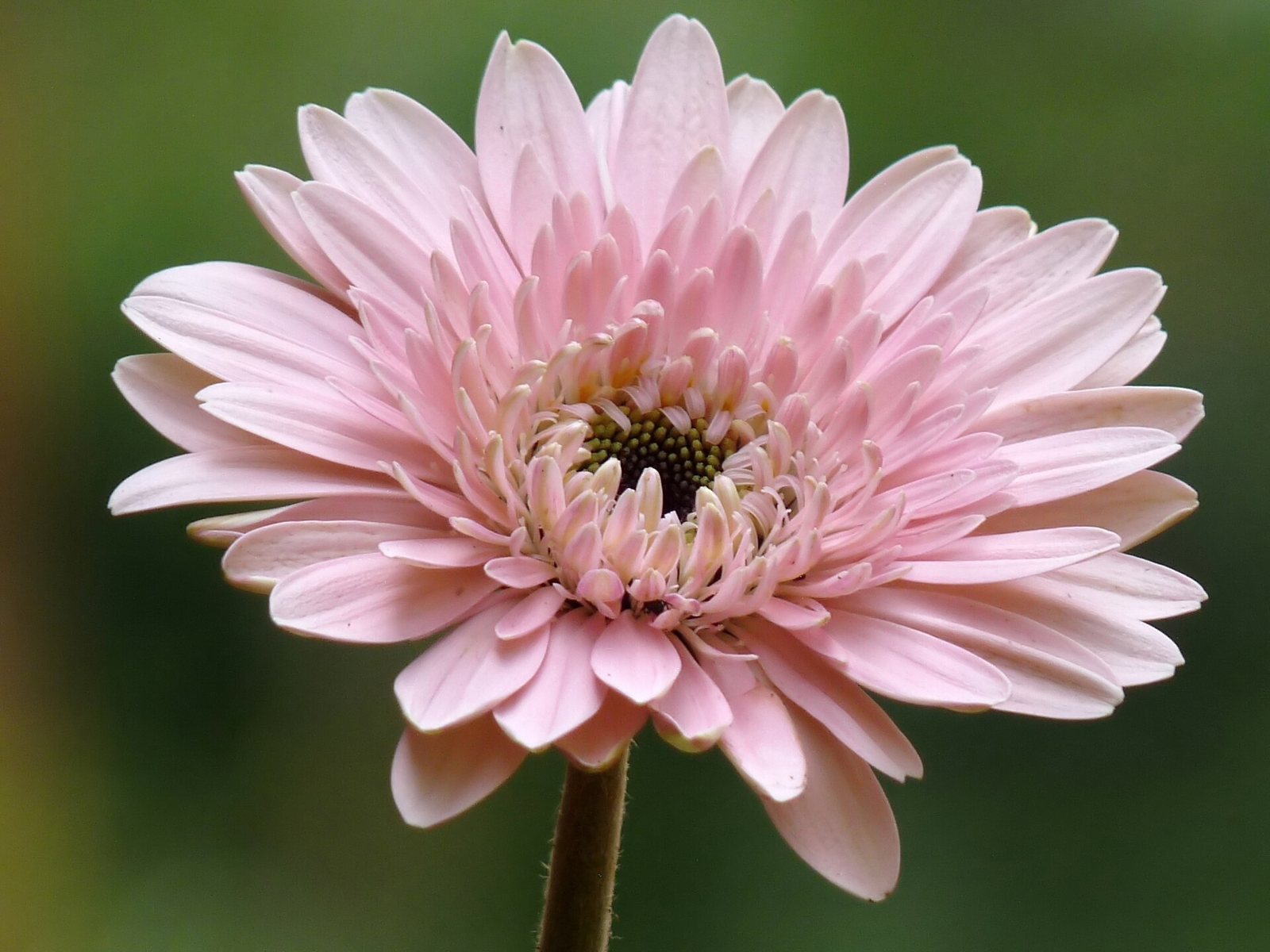
Few flowers announce themselves like a gerbera daisy. Each bloom sits alone on a tall, bare stem, with petals in bright red, orange, yellow, pink, purple or white around a dark or golden center, and a single plant produces flower after flower for months. They are easy to grow when the growing conditions suit them, and every gardener who has tried one knows how much a bed of gerbera flowers lifts the mood. Gerbera daisies are often sold as a gift in full bloom, which leaves many people wondering how to keep the plant alive afterward. This guide covers how to look after the plant in a pot on the patio or a spot in the garden, from light and water to feeding and winter protection.
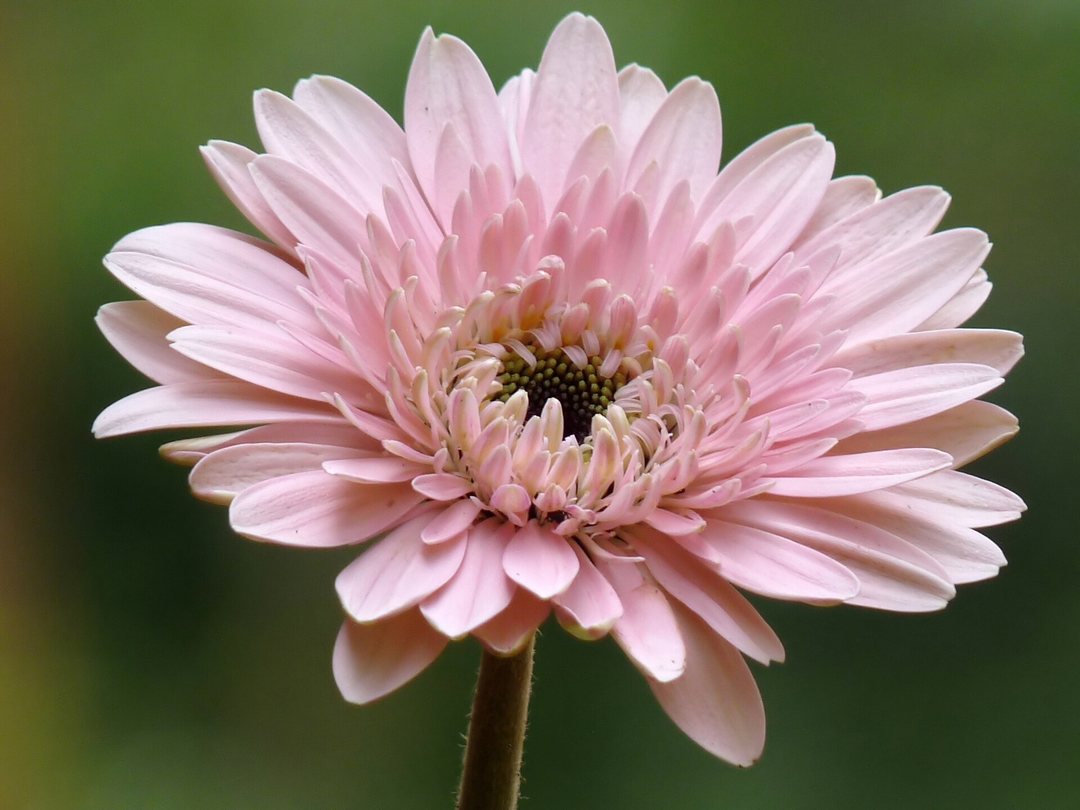
Photo: Jeevan Jose, Kerala, India, CC BY-SA 4.0, via Wikimedia Commons
Meet the gerbera daisy plant
This daisy, Gerbera jamesonii, is native to South Africa, and it is often called the Barberton daisy or the Transvaal daisy. The genus honors the German botanist Traugott Gerber, and the species name honors Robert Jameson, a Scottish trader who collected it in the 1880s. Many people say gerber daisy, but the correct spelling ends in an a. It belongs to the daisy family, Asteraceae, so each flower head is really a cluster of small florets, and the large size of the flower sets it apart from the common lawn daisy.
Under the flowers sits a rosette of lobed green leaves that stays close to the ground, semi-evergreen in mild climates. Each plant produces stems that rise straight up from the center, usually 10 to 18 inches tall, and the daisy-like flowers measure up to four inches across. Gerbera daisies are tender perennials, hardy in zones 8 to 10, so in most of the country they are grown outdoors as annuals or kept in containers that come indoors for winter. They are not frost tolerant.
How to grow gerbera daisies in a garden bed
Gerbera daisies grow best in a sunny spot in full sun, with at least six hours of direct light. Where summers are hot, plants grow best with morning sun and some afternoon shade, which stops the petals from fading and the leaves from scorching. The soil matters more than anything else. Gerbera daisies need well-draining soil that is rich in organic matter, and heavy clay that holds water will rot the crown within weeks. Mix in compost to improve the soil mixture, and raise the bed a few inches if drainage is poor.
Plant gerbera daisies after the last frost date, in late spring once the soil has warmed. Space plants 12 to 18 inches apart so air moves between the foliage. The key detail is depth: set the plant so that the crown, the point where the leaves and the roots meet, sits slightly above the soil level. If the crown is buried, water collects around it and the plant is prone to crown rot, caused by fungi such as fusarium.
Gerbera daisy care: water, feeding and deadheading
Gerbera daisies need steady moisture but hate wet feet, and frequent watering in a hot spell is better than a single soaking. Water deeply when the soil feels dry to the touch an inch or two down, keeping it lightly moist rather than soaked, and then let it dry slightly before watering again. Water in the morning at the base of the plant, not over the leaves, so the foliage dries quickly during the day and mildew has less chance to take hold. In cool weather the plant needs far less water.
For a strong flower display, feed every two to four weeks during the growing season with a balanced plant food or a fertilizer higher in phosphorus. Remove faded flowers by cutting the stem off at the base of the plant, which encourages the plant to produce more buds. A grower will also prune off the oldest leaves to improve airflow, but never cut into the center.
Growing gerbera daisies in pots and indoors
A pot is often the easiest home for a gerbera daisy, because you control the soil and can move the plant as the seasons change. Choose a container 8 to 10 inches wide with a drainage hole, and fill it with a light, soilless potting mix that drains freely. A potted gerbera needs bright light, so a south or west window suits gerbera daisies indoors, and a position on a sunny deck is best in summer. Water when the top inch of the mix feels dry, and empty the saucer afterward.
A common question is how to keep potted gerbera daisies blooming. The answer is light, regular feeding and prompt removal of spent flowers. When a plant stops blooming in the heat of midsummer, it is often resting, and it will flower again when nights turn cooler. In cold climates, bring the pot inside before the first frost, cut back damaged leaves and keep it in a bright room, watering sparingly, to overwinter the plant.
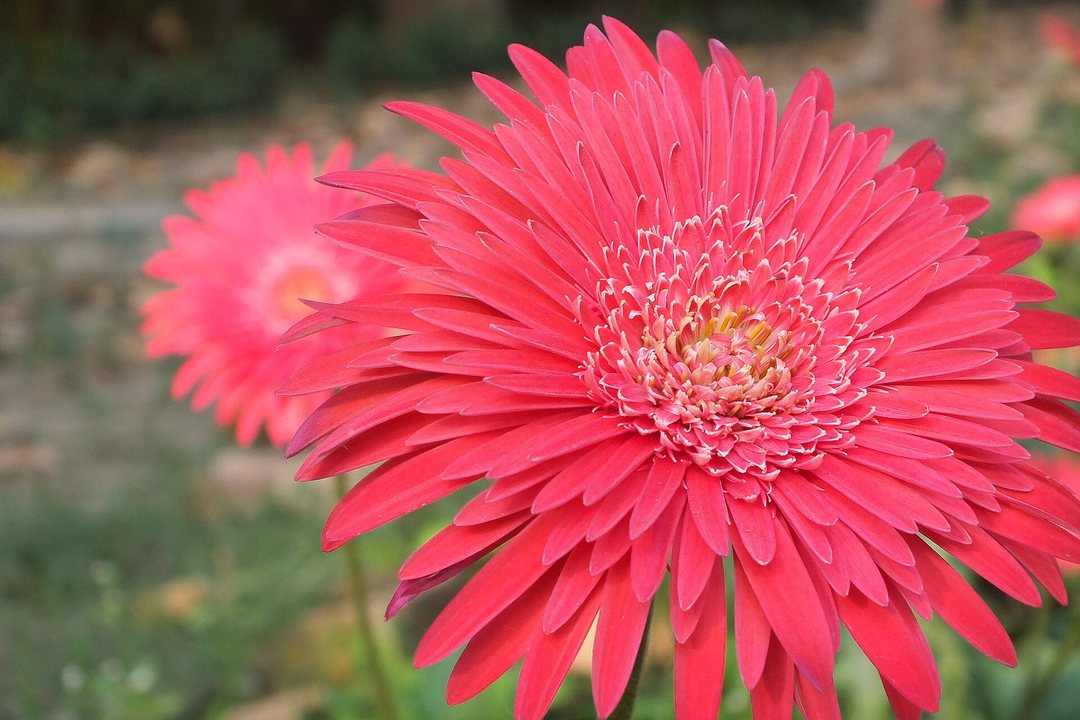
Photo: SOUWIKI2016, CC BY-SA 4.0, via Wikimedia Commons
Starting gerbera daisies from seed
Gerbera daisies can be grown from seed, though the plants take a while. A white flower, a pink one or a bicolor seedling may all appear in a mixed packet, so the colors are a surprise. Sow seeds indoors about 10 to 12 weeks before the last frost, pressing them onto the surface of a seed starting mix and covering them only lightly, because they need light to germinate. Keep the tray warm, around 70°F, and keep it moist but not wet. Seedlings usually flower in their first season if they are started early enough, but plants bought from a nursery give faster results.
Gerbera daisy problems and how to fix them
Most problems come from water. Yellowing leaves and a soft, brown crown mean the soil is too wet, and the plant may not recover if the rot is advanced. Powdery mildew shows up as a white film on the foliage, especially in humid weather, and it is reduced by good airflow and morning watering. Aphids, whiteflies and leaf miners are the usual pest problems, and a spray of water or insecticidal soap deals with most of them.
If a healthy plant will not bloom, the cause is usually too little light, too much nitrogen or a crown buried too deeply. Gardeners in the tropics sometimes find that their plants stop flowering through hot summers, and a cooler, brighter spot or a season on a shaded porch can bring them back.
Do gerbera daisies come back every year?
In zones 8 to 10, gerbera daisies are perennial, and they return each spring as long as the crown stays dry in winter. A layer of mulch protects the roots through light frost. In colder places the plant will not survive outdoors, so treat it as an annual or dig it up with a good root ball and pot it before the first frost. A plant kept indoors can rebloom the following year.
Gerbera daisies as cut flowers
The same long, strong stems that look so good in the garden make gerbera flowers popular in a bouquet. Cut the stems in the morning when each petal is fully open, and stand them in only two or three inches of clean water, because the stems are soft and rot quickly in deep water. A cut gerbera lasts one to two weeks if the water is changed every couple of days. For more about the daisy family as a whole, see our complete guide to growing daisies.
Dana Whitaker writes about flowers, gifts and the occasions that call for them.